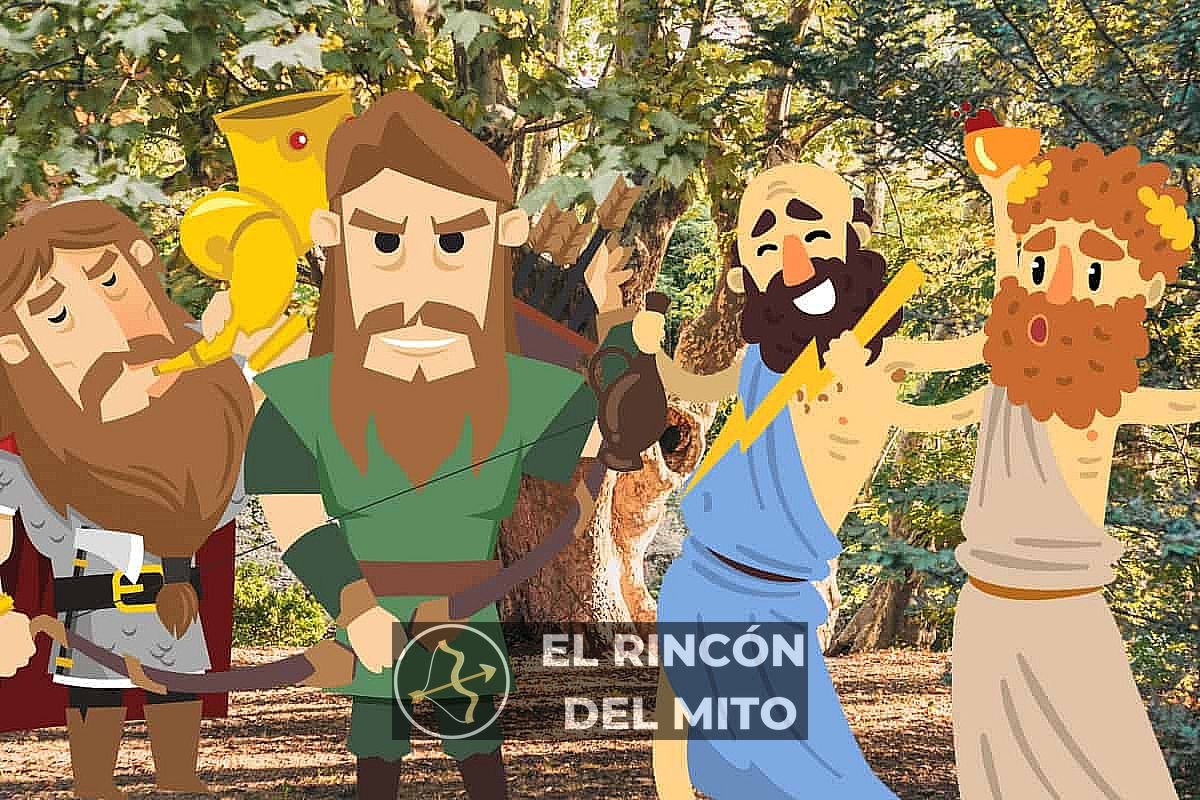
Imagine a world carved by glaciers and fierce winds, where survival meant wrestling with untamed nature and confronting the unknown. How would you make sense of it all? For the ancient peoples of Northern Europe, the answer lay in a vibrant, complex tapestry of divine beings whose stories explained everything from the thunder in the sky to the mysteries of life, death, and human destiny. These are the Dioses Nórdicos—a pantheon as captivating and human as the very world they inhabited.
Far from ethereal, perfect beings, the Norse gods were passionate, flawed, and deeply intertwined with the human experience, reflecting a profound understanding of life's struggles and triumphs. They were warriors, lovers, tricksters, and protectors, embodying the very forces that shaped the Norse cosmos and, by extension, the lives of their worshipers.
At a Glance: Unpacking the World of Norse Gods
- Two Mighty Clans: The Norse pantheon is primarily divided into two families: the Æsir (gods of war, wisdom, and order) and the Vanir (gods of fertility, nature, and abundance).
- Asgard and Vanaheim: The Æsir reside in the celestial realm of Asgard, connected to Earth by the Bifröst rainbow bridge. The Vanir inhabit Vanaheim, a realm more attuned to the earth's natural cycles.
- Flawed and Mortal: Unlike many other mythologies, the Norse gods are not eternal or infallible. They know their ultimate fate: Ragnarök, the prophesied end of their world.
- Guardians of Destiny: From Odin's pursuit of cosmic knowledge to Frigg's all-seeing gaze, many gods were deeply connected to fate, shaping it or attempting to understand it.
- Modern Echoes: These ancient deities continue to influence modern culture, appearing in literature, film, video games, and even contemporary spiritual practices.
A Pantheon Forged in Ice and Iron: Understanding the Norse Gods
The mythology of the Norse gods emerged from a harsh yet awe-inspiring landscape, giving rise to deities who mirrored the raw power of nature and the resilient spirit of humanity. Unlike the distant, often detached gods of some other traditions, the Dioses Nórdicos were deeply engaged with the world, their sagas filled with dramatic quests, profound sacrifices, and fierce battles. They were not merely symbols; they were active participants in the cosmic drama, a vibrant assembly of distinct personalities.
At the heart of this pantheon were two powerful, yet initially adversarial, families: the Æsir and the Vanir. Their eventual union, forged through conflict and diplomacy, created a balanced cosmos, intertwining the forces of order and nature, war and fertility. This delicate balance, however, was always precarious, a constant dance between creation and chaos, much like life itself in the ancient North.
The Mighty Æsir: Gods of War, Wisdom, and Order
The Æsir represent the more overtly powerful, often martial, aspect of the divine in Norse cosmology. Residing in the magnificent halls of Asgard, their dominion stretched over warfare, destiny, wisdom, and the maintenance of cosmic order. Their connection to Midgard (Earth) was vital, often acting as protectors against the chaotic forces of the giants. Through the shimmering arch of Bifröst, the rainbow bridge, they watched over the realms, ever vigilant.
Let's meet some of the most prominent figures of this formidable clan.
Odin: The Allfather's Relentless Pursuit of Knowledge
At the apex of the Æsir stands Odin, the Allfather. A complex and often fearsome deity, he is the supreme god of the Norse pantheon, embodying not only leadership and war but also profound knowledge, poetry, and death. Odin's relentless quest for wisdom led him to make immense sacrifices, including surrendering one of his eyes at Mímir's Well for unparalleled insight and hanging himself for nine days on Yggdrasil, the World Tree, to learn the secrets of the runes. He presides over Valhalla, where he gathers fallen warriors for the final battle of Ragnarök, and his wisdom makes him the intellectual protector of Asgard, constantly seeking to understand and, perhaps, to alter the looming fate.
Thor: Thunder's Roar Against Chaos
The mighty Thor, son of Odin, is arguably the most recognizable of the Norse gods. He is the god of thunder, lightning, and storms, but more importantly, he is the unwavering protector of both humanity (Midgard) and the gods themselves (Asgard) against the monstrous forces of the giants. Wielding his enchanted hammer, Mjölnir, which always returns to his hand, Thor's strength is immense, and his resolve unyielding. He represents raw power and steadfast loyalty, a bulwark against the forces of chaos that constantly threaten the ordered world. His journeys and battles are epic tales of courage and might, making him a revered figure among the common folk who sought his protection.
Frigg: The Queen Who Knew All Fates
Frigg is the majestic queen of the Æsir and Odin's devoted wife. As a goddess of motherhood, marriage, and domesticity, she embodies protection and maternal love. However, her domain extends far beyond the hearth; Frigg possesses an uncanny foresight, seeing all the fates, though she rarely reveals what she knows. This makes her a powerful, if often enigmatic, figure within Asgard, holding a deep understanding of the cosmic threads that bind all beings. Her wisdom is subtle yet profound, offering a quieter, perhaps more resilient, form of strength.
Tyr: The Price of Justice and Courage
Tyr stands as the god of valor, justice, and honorable warfare. He is a testament to the idea that true courage often demands sacrifice. His most famous act involves binding the monstrous wolf Fenrir, a deed that required one of the Æsir to offer a hand as a pledge. Tyr, without hesitation, stepped forward, losing his hand in the process. This self-sacrifice solidified his reputation as a god who upholds oaths and embodies the ultimate price of justice and integrity. His stories remind us that upholding order and truth sometimes requires personal cost.
Loki: The Trickster's Double-Edged Charm
Loki, though not a god by birth (he is of giant descent), is inextricably linked to the Æsir, often considered a blood-brother to Odin. He is the ultimate trickster—a master of cunning, mischief, and shapeshifting. Loki embodies chaos and unpredictability, sometimes aiding the gods with his clever schemes, but more often sowing discord and strife. His actions range from playful pranks to acts of profound malevolence, most notably orchestrating the death of the beloved god Balder. His unpredictable nature makes him both a fascinating and dangerous figure, a vital catalyst for many pivotal events in Norse mythology, including the lead-up to Ragnarök.
Balder: The Brightest Light Extinguished Too Soon
Son of Odin and Frigg, Balder is the radiant god of light, peace, and forgiveness. He was universally loved and admired for his beauty, grace, and purity. Balder's death, caused by a mistletoe arrow (the one plant Frigg didn't ask to vow never to harm him) in a scheme by Loki, is one of the most tragic events in Norse mythology. His demise signaled a turning point, hastening the arrival of Ragnarök, and plunging the gods into a profound grief that symbolized the inevitable decline of their world's golden age.
Heimdall: The Watchman of the Worlds
Heimdall is the ever-vigilant guardian of Bifröst, the rainbow bridge connecting Asgard to Midgard. Endowed with extraordinary senses, he can hear grass grow and see for hundreds of miles. Heimdall requires less sleep than a bird, eternally watchful for any threats to the gods. He possesses the Gjallarhorn, a powerful horn that he will sound to alert the Æsir of the impending Ragnarök, signaling the final confrontation. His role underscores the constant vigilance required to maintain order against the forces of chaos.
Forseti: The Arbiter of Peace and Reconciliation
Forseti, the son of Balder and Nanna, is the god of justice and reconciliation. He presides over a magnificent hall called Glitnir, characterized by its golden pillars and silver roof, where he acts as a supreme mediator. Forseti is known for his ability to resolve even the most complex disputes, bringing peace and harmony. He represents the ideal of fair judgment and diplomatic resolution, offering a beacon of hope for justice in a world often defined by conflict.
Bragi: The Eloquent Singer of Deeds
Bragi is the distinguished deity of poetry, eloquence, and skaldic verse. His voice is said to inspire poets and musicians, filling them with the gift of beautiful words and heroic sagas. Husband to Idunn, the keeper of the golden apples, Bragi embodies the power of art and storytelling to preserve history, celebrate heroes, and articulate profound truths. His presence in Asgard ensures that the deeds of gods and mortals alike are remembered through verse.
Idunn: Keeper of Eternal Youth's Apples
Idunn is the radiant goddess of youth and spring, and the crucial keeper of magical apples. These golden apples grant the Æsir their eternal youth and vitality. Without Idunn and her precious fruit, the gods would age and wither, just like mortals. Her abduction by the giant Þjazi, orchestrated by Loki, plunged Asgard into crisis, highlighting her indispensable role in maintaining the gods' very existence. Idunn represents renewal, the vibrant life force that continually rejuvenates the cosmos.
The Mystical Vanir: Gods of Fertility, Fortune, and Nature's Rhythms
In contrast to the martial Æsir, the Vanir represent the more ancient, mystical, and deeply connected aspects of the natural world. Dwelling in Vanaheim, their realm is characterized by abundance, fertility, and a profound understanding of ancient magic. They are gods and goddesses of the sea, the earth, prosperity, love, and the cyclical rhythms of nature. Their wisdom often comes from a deep, intuitive connection to life's organic processes.
Here are some of the key figures among the Vanir.
Njörðr: Master of Winds and Wealth from the Sea
Njörðr is the esteemed god of the sea, winds, wealth, and navigation. For the coastal and agricultural peoples of the North, his favor was paramount, ensuring safe voyages and prosperous fishing. He is a benevolent deity, bringing good fortune and abundance to those who honor him. Njörðr is also the father of two of the most significant Vanir gods, Freyr and Freyja, further cementing his importance in the pantheon. His presence brought stability and prosperity, crucial for communities reliant on the bounty of the ocean.
Freyja: The Golden Goddess of Love, War, and Seidr
Freyja is one of the most dynamic and multifaceted goddesses in Norse mythology. She presides over love, beauty, sexuality, and fertility, making her a powerful symbol of life's sensual pleasures and creative power. However, Freyja is also a formidable goddess of war and death. She has the unique privilege of claiming half of all fallen warriors for her own magnificent hall, Fólkvangr, rivaling Odin's Valhalla. Moreover, she is a master of seiðr, a potent form of Norse magic, making her a powerful enchantress. Her diverse roles highlight the Norse understanding that love and war, life and death, are intrinsically linked.
Freyr: The Generous Lord of Bountiful Harvests
Freyr, the twin brother of Freyja, is a highly venerated god of prosperity, peace, sunshine, and bountiful harvests. He is deeply connected to the fertility of the earth and animals, ensuring agricultural abundance and general good fortune. Freyr is depicted with a magical sword (Sumarbrander) that fights on its own, a symbol of his power and influence. He is a benevolent god who brings joy and richness to the world, representing the nurturing aspects of nature and the blessings of a fruitful life.
Skaði: The Fierce Huntress of the Frosty Mountains
Skaði is a compelling goddess of winter, mountains, hunting, and skiing. Originally a formidable giantess, she joined the Æsir through a forced marriage to Njörðr, though their union was ultimately unsuccessful due to their differing preferences for sea versus mountain life. Skaði embodies the rugged, wild beauty and unforgiving harshness of the Norse winter landscape. She is a symbol of endurance, independence, and the untamed spirit of the wilderness, revered by those who lived in harmony with the challenging northern environment.
Gullveig: The Spark That Ignited a War
Gullveig is a mysterious and powerful figure associated with magic and the corrupting allure of gold. Her exact nature is debated, but she is central to the instigation of the Æsir-Vanir War. Her obsession with gold and her subsequent mistreatment and burning (three times, only to be reborn each time) by the Æsir ignited the conflict between the two divine families. Gullveig symbolizes the destructive power of greed and the clash of values between the clans, representing a volatile force of magic and material desire.
Nerthus: The Earth's Sacred Abundance
Nerthus is an ancient goddess of nature, abundance, and the fertility of the earth. She is often associated with a sacred wagon and processions that bring peace and prosperity to the land. Nerthus represents the deep, nurturing power of the earth itself, a divine force that brings forth life and ensures the fruitfulness of the soil. Her veneration reflects an intimate connection to the land and its cycles, essential for agrarian societies.
Gerd: The Giantess Who Embraced Fertility
Gerd is a beautiful giantess who became a goddess upon her marriage to Freyr. Her radiant beauty captivated Freyr, who fell deeply in love with her. Their union symbolizes the merging of divine power with the natural world's raw beauty and fertility, especially the rich, yielding earth. Gerd represents the allure and power of natural beauty and the abundance that comes from the land, bringing a deeper connection between the Vanir and the fertile aspects of Midgard.
Kvasir: The Wisest God and the Mead of Poetry
Kvasir holds the unique distinction of being the wisest of all gods, born from the combined spittle of the Æsir and Vanir during their peace treaty, symbolizing the wisdom gained from their unity. Tragically, he was later murdered by two dwarves, who collected his blood and mixed it with honey to create the Mead of Poetry. This magical drink bestows poetic inspiration and wisdom upon those who consume it. Kvasir's story highlights the transformative power of knowledge and the sacred origins of artistic creation.
The Æsir-Vanir War: A Truce That Forged Unity
The relationship between the Æsir and Vanir was not always harmonious. A great conflict, known as the Æsir-Vanir War, erupted due to disagreements over the use of magic (seiðr, practiced more extensively by the Vanir) and matters of authority. This mythological war was the first major conflict in the cosmos, devastating the realms and testing the strength of both pantheons.
However, unlike many wars, this one concluded not in annihilation but in a lasting peace and an exchange of hostages. Njörðr, Freyja, and Freyr moved from Vanaheim to Asgard, while the Æsir gods Hœnir and Mímir went to Vanaheim. This exchange was more than just a peace treaty; it symbolized the unification of the two divine clans, integrating their distinct strengths. The Æsir gained the Vanir's wisdom of fertility and magic, while the Vanir benefited from the Æsir's order and martial prowess. This union established a powerful equilibrium between force and fertility, cosmic order and the rhythms of nature, creating a more robust and complete divine structure.
Ragnarök: The Inevitable Twilight of the Gods
Perhaps the most unique and poignant aspect of Norse mythology is the concept of Ragnarök—the prophesied "Twilight of the Gods." Unlike other pantheons that imagine an eternal reign for their deities, the Dioses Nórdicos were fully aware of their inevitable doom. Ragnarök is a catastrophic series of events, a final, epic battle where many of the gods, alongside humanity, will face monstrous foes like Fenrir, the Midgard Serpent Jörmungandr, and the fire giant Surtr.
This isn't just an ending; it's a cyclical destruction and rebirth. While many gods will perish, a new world will emerge from the ashes, populated by a few surviving gods and two human survivors, ready to begin anew. This tragic yet ultimately hopeful vision infuses Norse mythology with a profound emotional intensity. The gods' knowledge of their fate doesn't lead to despair but often to an enhanced sense of purpose, courage, and honor in the face of the inevitable. It teaches a powerful lesson about facing destiny with bravery, even when the odds are insurmountable.
Beyond the Myths: Why the Norse Gods Still Matter Today
The sagas of the Dioses Nórdicos are far from relics of a bygone era. In fact, their enduring power continues to resonate deeply in our modern world, crossing cultural boundaries and capturing imaginations across various mediums.
You'll find their presence woven into the fabric of contemporary culture:
- Literature and Film: From J.R.R. Tolkien's Middle-earth, heavily inspired by Norse cosmology, to Marvel's blockbuster portrayals of Thor, Odin, and Loki, these characters have become global icons.
- Video Games: Epic narratives in games like "God of War" and "Assassin's Creed Valhalla" immerse players in the Nine Realms, bringing the myths to life with stunning visuals and intricate storytelling.
- Neopaganism and Spirituality: For many, particularly in contemporary Germanic neopaganism (Ásatrú), the Norse gods are not just characters in stories but living deities, offering a spiritual path deeply connected to nature, honor, and ancestral traditions.
- Everyday Language: Even our weekdays bear their names—Tuesday (Tyr's day), Wednesday (Odin's/Woden's day), Thursday (Thor's day), and Friday (Frigg's/Freyja's day).
What makes these ancient tales so compelling? They offer powerful archetypes that speak to universal human experiences: Odin's relentless pursuit of wisdom, Thor's unwavering courage in the face of overwhelming odds, Freyja's embodiment of love and fierce independence, and Loki's chaotic yet transformative trickery. They serve as timeless symbols of the soul's perpetual struggle between order and chaos, duty and desire, creation and destruction.
Studying these myths connects us to an ancestral worldview where the forces of nature, the code of honor, and the internal battles of the human spirit were central to existence. They invite us to explore our own link with the universe, to understand the balance between the physical and the spiritual, and to contemplate our place in the grand narrative of life and destiny. For those seeking a deeper dive into the broader array of divine figures across various mythologies, consider this comprehensive guide to gods for more insights.
Frequently Asked Questions About the Norse Gods
Many questions naturally arise when delving into such a rich and ancient mythology. Here are some common inquiries about the Dioses Nórdicos.
Are the Norse gods immortal?
No, unlike the gods of some other mythologies, the Norse gods are not truly immortal. While they live for a very long time and maintain their youth through Idunn's golden apples, they are ultimately mortal. They know their fate is tied to Ragnarök, the prophesied end of their world, where many of them will perish in battle. This awareness of their mortality gives their stories a unique depth and pathos.
What's the main difference between the Æsir and Vanir?
The Æsir are generally associated with power, war, destiny, and maintaining cosmic order, embodying more martial and kingly aspects. They reside in Asgard. The Vanir, on the other hand, are gods of fertility, love, abundance, and the cycles of nature, often more connected to ancient magic and the earth. They inhabit Vanaheim. While distinct, their eventual union after the Æsir-Vanir War brought a vital balance to the Norse cosmos.
Is Loki truly a god?
Loki's divine status is ambiguous. He is often referred to as a god, and he is a constant companion of the Æsir, even considered Odin's blood-brother. However, he is actually the son of a giant (Fárbauti) and a giantess (Laufey), which technically makes him a Jötunn (giant). His inclusion among the Æsir highlights the fluid boundaries between gods and giants in Norse mythology, and his role as a trickster who sometimes helps, sometimes harms, challenges typical divine classifications.
Did the Vikings really believe in these gods?
Yes, the Norse people, often referred to as Vikings during a specific period of their history, genuinely believed in these gods as part of their complex religious and cosmological worldview. Their lives, rituals, and societal structures were deeply intertwined with the worship of Odin, Thor, Freyja, and the other deities. Their beliefs shaped their understanding of the world, honor, fate, and the afterlife until the eventual conversion to Christianity.
Embracing the Wisdom of the Nine Worlds
The stories of the Dioses Nórdicos offer more than just thrilling tales of adventure and conflict. They provide a window into an ancient yet profoundly relevant way of understanding the universe and our place within it. They remind us that life is a dynamic interplay of opposing forces—order and chaos, wisdom and folly, creation and destruction.
By exploring the myths of Odin's quest for knowledge, Thor's unwavering protection, Freyja's embodiment of both love and battle, and Loki's unpredictable nature, we gain insights into the many facets of human experience. These divine figures, with all their strengths and flaws, challenge us to consider how we face our own destinies, embrace our courage, seek wisdom, and find balance amidst the inevitable changes of life. Their legacy encourages us to live with purpose and honor, engaging with the world with both strength and an open heart, ready to navigate whatever fate may bring.