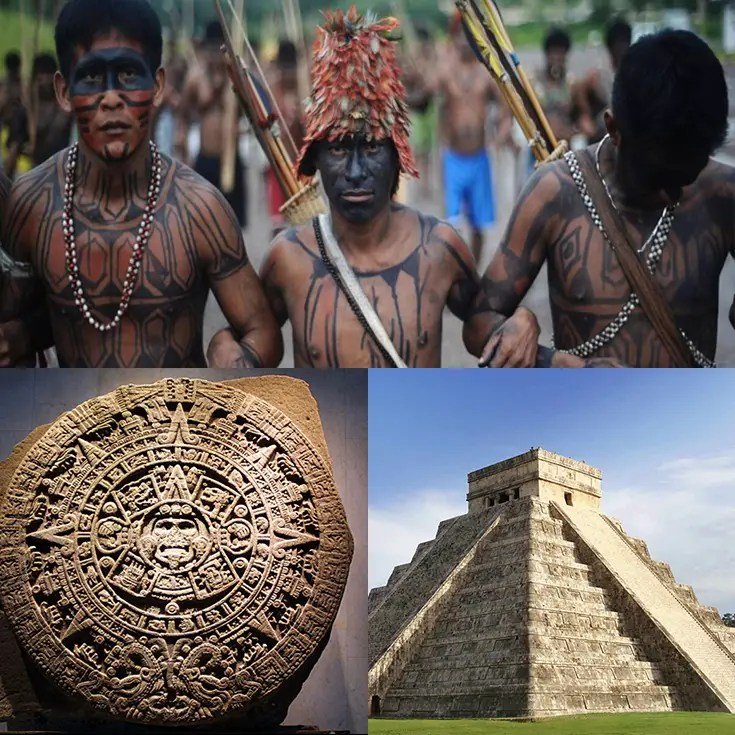
In the heart of ancient Mesoamerica, where towering pyramids pierced the sky and vibrant cultures thrived, the spiritual landscape was meticulously woven with the presence of powerful Dioses Mesoamericanos. These divine beings weren't distant, abstract concepts; they were integral forces shaping every aspect of life, from the rise and fall of empires to the cycles of planting and harvest. For the Maya, the Mexica (Aztec), the Olmec, the Zapotec, the Mixtec, the Purépecha, and countless other peoples, these deities dictated fate, demanded reverence, and embodied the very essence of the cosmos. Understanding them is to unlock the complex spiritual universe of some of humanity's most ingenious civilizations.
At a Glance: Diving Into Mesoamerican Divinity
- Diverse Pantheon: Each culture contributed its unique deities and traditions, though some gods transcended cultural boundaries.
- Cosmic Connection: Deities embodied elements of the cosmos, nature (earth, fire, water, air), and human activities (agriculture, war).
- Anthropomorphic & Elusive: Many gods had human-like features, while others were invisible or shapeshifters, often combining human and animal traits.
- Inaccessible Yet Responsive: Considered beyond mortal reach, gods required elaborate rituals and sacrifices—sometimes human—to appease and honor them.
- Hierarchical & Dualistic: While some deities held primary importance, the pantheon was complex, often featuring dualities and multiple manifestations of a single divine force.
- Sacrifice was Key: Offerings, from precious goods to human life, were central to maintaining cosmic balance and ensuring divine favor.
Unveiling the Cosmic Tapestry: What Exactly Are Dioses Mesoamericanos?
Imagine a world where every rustle of the wind, every drop of rain, every sunrise and sunset was not merely a natural phenomenon, but a direct manifestation of divine will. This was the lived reality for the ancient inhabitants of Mesoamerica—a vast cultural and geographical expanse stretching from central Mexico down to parts of Central America. Within this rich tapestry, the Dioses Mesoamericanos emerged as the architects of existence, the patrons of human endeavor, and the arbiters of destiny.
These were not gentle, benevolent figures in the strictly monotheistic sense; they were potent, often capricious, and always demanding. Mortals viewed them as largely inaccessible, yet profoundly impactful. This perception fueled a profound need for interaction, leading to elaborate ceremonies, intricate calendars, and, critically, a deeply ingrained practice of sacrifice. These offerings, ranging from ritual bloodletting and incense to, in some cases, the ultimate human sacrifice, were seen not as acts of cruelty, but as vital transactions—a way to sustain the gods, repay debts, and maintain the delicate balance of the universe.
The physical descriptions of these deities were as varied as the cultures that worshipped them. Many possessed anthropomorphic (human-like) characteristics, making them relatable, even if terrifying. Others were invisible, their presence known only through their effects on the world, or combined human features with those of powerful animals like jaguars, serpents, or birds. What united them was their fundamental connection to the cosmos: they represented the sun's scorching power, the moon's serene glow, the life-giving rain, the destructive fire, the fertile earth, and the mysteries of the underworld.
This spiritual landscape was rarely monolithic. Each civilization—from the mysterious Olmecs to the grand Mayans and the powerful Mexica—developed its own pantheon, often adapting, absorbing, and reinterpreting deities from their neighbors. This resulted in a complex hierarchy of gods, with primary deities holding supreme sway, supported by a host of secondary figures. Yet, even this hierarchy was fluid, complicated by the pervasive concept of dualities (e.g., life and death, creation and destruction within the same deity) and desdoblamientos (multiple manifestations or aspects of a single god), making the study of these divine figures a truly fascinating endeavor. If you're keen to explore this incredible diversity, you might want to delve into the most significant pre-Hispanic gods across the region.
Pantheon Powerhouses: The Central Figures You Need to Know
While the sheer number of Mesoamerican deities can feel overwhelming, certain figures stood as pillars, their influence extending across multiple cultures and centuries. These are the divine beings who dominated the spiritual imagination of millions.
Quetzalcóatl / Kukulkán: The Feathered Serpent, Architect of Life
Few figures embody the majesty and mystery of Mesoamerican spirituality like the Feathered Serpent. Known as Quetzalcóatl to the Nahuas (including the Mexica/Aztecs) and Kukulkán to the Mayas, this deity was a universal force of immense importance. Imagine a magnificent serpent adorned with brilliant quetzal feathers—a breathtaking fusion of earth and sky, wisdom and power.
Quetzalcóatl wasn't just a god; he was a fundamental creator, often credited with giving birth to humanity and bringing life to the world. His dominion stretched far beyond mere creation, encompassing:
- Knowledge and Wisdom: He was the patron of learning, writing, and the arts.
- Agriculture and Civilization: Bringing maize to humanity and teaching the skills necessary for a settled, advanced society were among his key roles.
- Cosmic Order: He symbolized the balance and harmonious flow of the universe.
- Wind and Air: Often associated with Ehecatl, the god of wind, clearing the path for rain.
His presence can be traced through the Olmec, Teotihuacan, Toltec, Maya, and Mexica cultures, illustrating his transversal significance. To fully grasp the pantheon of this region, one must always begin with the profound impact of the Feathered Serpent, a god of such stature that he is often seen as synonymous with civilization itself.
Tláloc / Chac: The Rain Bringers, Sustaining Life and Wielding Fury
In a region where agriculture, particularly maize cultivation, was the bedrock of society, control over rain was paramount. Enter Tláloc, revered by the Nahuas, Mexica, and even earlier by the people of Teotihuacan. His Mayan counterpart was Chac, the god of rain, water, and thunder.
These deities were not merely beneficent providers; they were dualistic forces, capable of both immense generosity and terrifying destruction.
- Life-Giver: Tláloc was crucial for abundant harvests, ensuring the very survival of communities. His benevolent rains nurtured crops and quenched the land's thirst.
- Destroyer: But Tláloc also controlled destructive phenomena: hailstorms, floods, and droughts. A displeased Tláloc could bring famine and despair.
Visually, Tláloc is instantly recognizable by his distinctive features: large, circular eyes (often described as spectacles or goggles) and prominent, curling fangs. To appease this powerful deity and secure life-giving rains, significant sacrifices were made, including, tragically, children, whose tears were believed to be particularly potent offerings that mirrored the rain itself. For a deeper understanding of this vital deity, you might want to explore the Mayan god of rain and his widespread influence.
Huitzilopochtli / Tonatiuh / Curicaveri: Lords of the Sun and War
The sun was another indispensable force, symbolizing life, warmth, and the daily battle against the darkness. Several powerful deities embodied the sun's fiery essence:
- Huitzilopochtli (Mexica): The principal deity of the Mexica, Huitzilopochtli was the Hummingbird Left, god of the sun, war, and sacrifice. He was the patron god of Tenochtitlan, guiding the Mexica to their promised land. His daily battle to bring the sun across the sky required constant nourishment through human sacrifice, making him one of the most demanding gods in the Mexica pantheon. His temples were the focal point of Mexica religious life.
- Tonatiuh (Aztec/Mexica): Also a sun god, Tonatiuh presided over the Fifth Sun, the current cosmic era according to Aztec mythology. He too demanded blood and hearts to fuel his journey across the heavens, preventing the world from plunging into eternal darkness.
- Curicaveri (Purépecha-Tarasca): For the Purépecha (Tarascan) people, Curicaveri was the formidable god of the sun and war. He represented the male principle, light, and heat, forming a divine couple with the earth goddess Cuerauáperi. His worship involved rituals aimed at ensuring victory in battle and the fertility of the land. Learn more about the gods revered by the Purépecha people to understand Curicaveri's role.
- Kinich Ahau (Maya): Known as the Sun-Eyed Lord, Kinich Ahau was the Mayan sun god, representing the sun during the day. He was often depicted with jaguar features, symbolizing his powerful journey through the underworld at night. Discover more about the Mayan god of the sun and his cosmic significance.
Meztli / Ixchel: The Luminous Moon Goddesses
While the sun blazed with masculine power, the moon offered a more enigmatic, feminine light, deeply connected to cycles of fertility, water, and healing.
- Meztli (Nahua/Mexica): This Nahua deity personified the moon, often associated with water, the earth, and fertility. She was sometimes seen as a creator goddess, her light guiding travelers through the night.
- Ixchel (Maya): A powerful and complex Mayan goddess, Ixchel embodied various aspects of the moon. She was the goddess of fertility, childbirth, medicine, weaving, and floods. Often depicted as a beautiful young woman or a fearsome old crone (representing the waxing and waning moon), she held significant sway over human life and well-being. If you're interested in the feminine divine, exploring a comprehensive list of Mayan deities will reveal more about Ixchel's multifaceted role.
Mictlantecuhtli / Ah Puch: Rulers of the Underworld
Death was not an end, but a transition, a journey to the formidable realms of the underworld. Presiding over these shadowy domains were formidable deities.
- Mictlantecuhtli (Mexica): The Lord of Mictlan, the Mexica underworld, Mictlantecuhtli was a terrifying yet vital deity. He was typically depicted as a skeletal figure, often adorned with jewelry of human eyes, liver, and intestines. Alongside his consort, Mictecacihuatl, he ruled over the lowest of the nine levels of the underworld, where most souls eventually journeyed.
- Ah Puch (Maya): The Mayan god of death, also known by various other names, Ah Puch was often depicted as a skeletal figure, sometimes with a skull for a head and bells hanging from his body. He was the adversary of the gods of life and creation, dwelling in the lowest level of the underworld (Xibalba). To delve deeper into the forces of the underworld, you might find it helpful to explore the Mayan god of death or even the broader gods of the Mayan underworld.
Huehuetéotl: The Ancient Fire
Fire was a fundamental element, both for survival and ritual. Huehuetéotl (meaning "Old God") was the generic and widespread god of fire, often depicted as an aged, wrinkled figure, sometimes carrying a brazier on his head. He was central to Mesoamerican myths, symbolizing not just the destructive power of fire, but also its warmth, light, and transformative qualities, essential for cooking and metallurgy. He was truly the revered god of fire for many civilizations.
Cintéotl / Yum Kaax: The Sacred Maize
Maize was more than a crop; it was life itself, a gift from the gods and the substance from which humanity was sometimes believed to have been created.
- Cintéotl (Mexica): The Mexica god of maize, Cintéotl was often depicted with an ear of corn as a headdress. A dual deity, Cintéotl represented both the young, tender corn and the mature, dried cob, embodying the full cycle of this sacred plant.
- Yum Kaax (Maya): The Mayan god of wild plants, nature, and the forest, Yum Kaax was primarily known as the god of maize and agriculture. He was a youthful and benevolent deity, protecting farmers and ensuring the fertility of the fields. To understand the cultural significance of this staple food, learn more about the Mayan god of maize.
Beyond the Big Names: Regional and Specialized Deities
While some gods spanned vast territories, many others held specific, vital roles within particular cultures, adding layers of nuance to the Mesoamerican pantheon. To grasp the full picture, it's beneficial to look beyond the most famous figures and explore the prominent Aztec and Mayan deities in more detail.
Chalchiuhtlicue: Waters of Life and Fury
For the Mexica, Chalchiuhtlicue ("She of the Jade Skirt") was the goddess of fresh water, rivers, lakes, and oceans. She represented the beauty and purity of water, essential for life, but also its destructive potential through floods and storms. She was often depicted adorned with jade ornaments, symbolizing the preciousness of water.
Xipe Tótec: Renewal Through Flaying
A deity revered by the Mexica and Teotihuacanos, Xipe Tótec ("Our Lord the Flayed One") was the god of spring, renewal, fertility, and regeneration. His worship involved a gruesome yet symbolic ritual where priests flayed human victims, and then wore their skins for twenty days. This act symbolized the earth shedding its old skin in spring to allow new vegetation to grow, representing sacrifice, rebirth, and the promise of abundant crops.
Itzamná & Hunab Ku: Mayan Architects of Creation
The Mayan pantheon included profound creator figures:
- Itzamná: Often considered a primary Mayan deity, Itzamná ("Lizard House") was the god of the sky, wisdom, creation, and the night. He was associated with writing, calendar keeping, and priestly knowledge. He was an ancient, wise god, sometimes depicted as an old man, and was instrumental in shaping the cosmos. He truly embodies the Mayan god of life in many aspects.
- Hunab Ku: This elusive deity, whose name means "One God" or "Sole God," was a Yucatec Maya creator god, believed to be the creator of the universe. Often considered an invisible and transcendent supreme being, his worship became more prominent in later periods, particularly after the Spanish conquest, though his ancient roots are debated.
Olmec Mysteries: Dragon and Jaguar
The Olmecs, often considered the "mother culture" of Mesoamerica, left behind monumental sculptures and a complex belief system. Among their most important deities were:
- The Olmec Dragon: A primary deity, the Olmec Dragon was a composite creature with features of a jaguar, crocodile, and snake. Associated with water, rain, and fertility, this powerful being symbolized the earth's bounty and the forces of creation. Learn more about the deities of the Olmec culture to appreciate their foundational role.
- The Hombre-Jaguar: This iconic Olmec deity combined human and feline traits, often depicted as a crying infant with jaguar fangs and cleft head. The Hombre-Jaguar was associated with power, strength, transformation, and agricultural fertility, symbolizing the sacred connection between humanity and the formidable jungle predator.
Purépecha Pantheon: Cuerauáperi, Xaratanga, Auicanime
The Purépecha (Tarascan) culture, centered in Michoacán, developed its own distinct and rich mythology:
- Cuerauáperi: The revered Earth Mother goddess, Cuerauáperi was the wife of the sun god Curicaveri. She controlled life, rain, death, and drought, embodying the cyclical nature of existence. Her rituals often involved offerings to ensure fertile lands.
- Xaratanga: Daughter of Curicaveri and Cuerauáperi, Xaratanga was the goddess of the sea and the moon. Her dominion was the west, and she was symbolized by the owl, an elder woman, or a coyote, representing her enigmatic and often nocturnal powers.
- Auicanime ("The Hungry"): This was the Purépecha god of evil, a terrifying figure associated with the legend of "La Llorona" (The Weeping Woman). Auicanime was a ghostly, disturbing being, representing hunger, misfortune, and malevolent forces.
Tezcatlipoca: The Smoking Mirror's Whimsy
A formidable and capricious god among the Mexica, Tezcatlipoca ("Smoking Mirror") was a powerful and often rivalrous deity to Quetzalcóatl. He was the god of the night sky, the north, hurricanes, war, magic, and beauty. Often depicted with an obsidian mirror and a missing foot (replaced by an obsidian mirror or smoking stump), Tezcatlipoca was a trickster, a bringer of both fortune and misfortune, and a master of destiny. His unpredictable nature underscored the Mexica belief in a universe shaped by powerful, often conflicting, divine wills. Understanding the specific names and roles of Mexica gods like Tezcatlipoca is key to appreciating their complex theology.
The Divine-Human Connection: Rituals, Sacrifices, and Worldviews
The relationship between humans and the Dioses Mesoamericanos was not one of simple worship; it was a dynamic, reciprocal exchange, vital for maintaining cosmic order.
Why Sacrifices? Sustaining the Universe
From a modern perspective, the practice of human sacrifice, particularly as seen with deities like Huitzilopochtli and Tláloc, can be difficult to comprehend. However, within the Mesoamerican worldview, it was far from a barbaric act. It was a sacred, existential necessity.
The gods, having created the universe and humanity, required sustenance themselves. Blood, especially human blood and the beating heart, was considered the most precious offering, the very essence of life force. By offering this, humans were not just appeasing angry gods; they were actively participating in the continuous creation and maintenance of the cosmos. Without these sacrifices, the sun might not rise, the rains might not fall, and the world itself could end. This responsibility weighed heavily on rulers and priests, who acted as intermediaries.
Specific instances highlight this belief:
- Tláloc's Children: As mentioned, young children were sometimes sacrificed to Tláloc, their tears considered potent offerings that mimicked rain, ensuring agricultural prosperity.
- Huitzilopochtli's Hearts: Huitzilopochtli, as the solar deity who battled darkness daily, required daily sustenance of human hearts to fuel his arduous journey across the sky, safeguarding the Fifth Sun.
These rituals, while extreme, underscore the depth of faith and the profound connection these cultures felt with their deities. It was a matter of survival, a sacred pact to keep the world turning.
Cosmic Balance and Human Responsibility
The Mesoamerican worldview was deeply cyclical and interconnected. Every action, human or divine, had repercussions for the cosmic balance. Humans had a profound responsibility to honor the gods, not out of fear alone, but out of a sense of duty and gratitude for creation. Festivals, pilgrimages, and daily offerings, even small ones, contributed to this balance. Failure to uphold these responsibilities could lead to divine wrath, resulting in natural disasters, famine, or military defeat. This intricate web of belief shaped everything from daily life to architectural design and political decisions. The influence of these beliefs is deeply embedded in sites like Teotihuacan, where the alignment of pyramids and plazas reflect the cosmic order as understood by the worshipers of the powerful gods of Teotihuacan.
Decoding Divine Attributes: Understanding Their Forms and Functions
Understanding the Dioses Mesoamericanos often requires deciphering their distinctive attributes and symbolic representations.
Anthropomorphic Forms and Animal Aspects
While many gods were primarily human-like in form, they frequently incorporated animal characteristics. The Hombre-Jaguar of the Olmecs, Quetzalcóatl's serpent body and bird feathers, or the jaguar elements of the Mayan sun god Kinich Ahau illustrate this fusion. These animal traits weren't arbitrary; they imbued the deities with the power, ferocity, grace, or mystique of those creatures, reflecting their specific domains or powers.
Symbolism in Depiction
Every detail in the depiction of a Mesoamerican deity was symbolic:
- Tláloc's Eyes and Fangs: His large, circular eyes evoked water and sometimes storms, while his fangs linked him to powerful, earth-dwelling creatures like jaguars or serpents.
- Feathers: Quetzal feathers, particularly those adorning Quetzalcóatl, symbolized preciousness, divinity, and connection to the sky.
- Color: Specific colors were often associated with cardinal directions and particular deities, holding deep ritual meaning.
- Objects: Tezcatlipoca's obsidian mirror symbolized divination, invisibility, and the reflection of truth. Maize cobs in Cintéotl's headdress clearly identified him with the sacred grain.
These visual cues allowed people, even the illiterate, to immediately recognize and understand the attributes and powers of a deity.
Dualities and Transformations
Mesoamerican gods rarely fit into simple categories of "good" or "evil." Instead, they embodied dualities: life and death, creation and destruction, benevolence and malevolence. Tláloc brought both life-giving rain and devastating floods. Tezcatlipoca was both a source of knowledge and a trickster. This reflected a worldview that saw the universe as a constant interplay of opposing yet complementary forces.
Furthermore, many deities were capable of transformation or had multiple desdoblamientos (manifestations). Quetzalcóatl could be a human priest, the morning star, or a feathered serpent. This fluidity made the pantheon incredibly rich but also complex, inviting a deeper, nuanced understanding rather than a simplistic categorization. For further reading into specific divine roles, refer to the most important gods in Mayan culture.
Enduring Echoes: How Dioses Mesoamericanos Influence Today
Though the great Mesoamerican empires have faded, the legacy of their Dioses Mesoamericanos is far from forgotten. Their influence continues to reverberate in surprising ways, shaping contemporary culture and identity.
Modern Indigenous Beliefs
For many indigenous communities throughout Mexico and Central America, the ancient gods haven't entirely disappeared. While often syncretized with Catholicism, figures like the rain god, the maize god, or earth deities continue to receive reverence, particularly in rural areas where ancient agricultural practices persist. Elements of traditional cosmology and ritual remain alive, testifying to the enduring power of these ancestral beliefs.
Cultural Legacy, Art, and Festivals
The artistic and architectural achievements inspired by these deities are breathtaking. From the monumental sculptures of the Olmec to the intricate carvings of Palenque and the vibrant murals of Teotihuacan, the gods are eternally immortalized. Modern artists, writers, and musicians frequently draw inspiration from these myths, reinterpreting their narratives and imagery.
Festivals and traditions, too, often carry echoes of ancient worship. Day of the Dead celebrations, for instance, with their focus on the journey between life and the underworld, implicitly touch upon the realms once ruled by Mictlantecuhtli and Ah Puch. The symbolic offerings, the honoring of ancestors, and the vibrant imagery all reflect a deep-seated spiritual connection to the cycles of life and death that the ancient gods embodied.
Tourism and Education
Today, the sites where these gods were worshipped—Chichen Itza, Teotihuacan, Palenque, Monte Albán, El Tajín—are UNESCO World Heritage sites and major tourist destinations. Millions visit each year, drawn by the awe-inspiring architecture and the desire to connect with these powerful ancient civilizations. Education about the Dioses Mesoamericanos is crucial for understanding the historical, cultural, and spiritual depth of this region, providing context for the enduring resilience and identity of its peoples.
Your Journey Continues
The world of the Dioses Mesoamericanos is vast, intricate, and endlessly fascinating. From the creative power of Quetzalcóatl to the life-giving rains of Tláloc, and the mysteries of the underworld, these divine beings offer a profound window into the worldview of some of history's most sophisticated societies. Whether you're a budding historian, a cultural enthusiast, or simply curious about the incredible diversity of human belief, exploring these ancient gods is a journey well worth taking. Continue your exploration with Our comprehensive guide to gods to uncover more of these incredible spiritual narratives.