The word "dioses" might sound intriguing, and for good reason. In its essence, "dioses" is the plural form of "dios" in Spanish, translating directly to "gods" in English. This simple pluralization unlocks a universe of fascinating mythologies, pantheons, and belief systems that have shaped human civilization for millennia. From the thunderous heavens of ancient Greece to the mystical realms of the Far East, the concept of multiple divine beings, or "dioses," speaks to our universal quest to understand creation, power, and our place in the cosmos.
This hub article serves as your comprehensive guide, inviting you to journey through diverse cultures and their unique interpretations of the divine. We'll explore how different societies envisioned their gods, the stories they told, and the profound impact these beliefs had on their art, philosophy, and daily lives. Get ready to discover the rich tapestry of myth that defines humanity's spiritual heritage.
Unveiling the Divine: What "Dioses" Truly Represents
At its core, "dioses" encapsulates the idea of a plurality of supreme beings, each often with distinct powers, domains, and personalities. Unlike monotheistic religions that focus on a single divine entity, polytheism, or the belief in multiple gods, presents a complex, often interconnected web of deities who interact with the world and each other in dynamic ways. Understanding "dioses" as a concept allows us to appreciate the intricate social structures and cosmic orders envisioned by ancient peoples.
These multiple gods often personified natural forces, human emotions, or abstract concepts, providing explanations for the inexplicable and guidance for moral conduct. They were powerful, sometimes capricious, and always central to the worldview of their worshippers. This exploration of "dioses" helps us connect with the fundamental questions about existence that have echoed through time.
Ancient Reverence: Exploring the Foundations of Polytheism
Humanity's earliest civilizations often looked to a multitude of gods to explain the world around them. These divine beings were intimately woven into the fabric of daily life, influencing everything from the harvest to warfare. Delving into these ancient pantheons offers a window into the foundational beliefs that shaped some of the most enduring cultures in history.
The Might and Majesty of Classical Deities
Few pantheons are as iconic and influential as those of ancient Greece and Rome. Their gods and goddesses, with their dramatic tales of love, betrayal, heroism, and conflict, continue to inspire art and literature today. Zeus, Hera, Poseidon, Hades, Athena, Apollo – these names resonate with power and human-like complexity. The Romans adopted many of these deities, often renaming them (Jupiter, Juno, Neptune, Pluto, Minerva, Apollo) and integrating them into their own vast empire. If you're eager to learn more about the fascinating sagas and intricate relationships of these powerful beings, we highly recommend exploring the world of Dioses Griegos y Romanos.
Echoes from the Sands: The Gods of Ancient Egypt
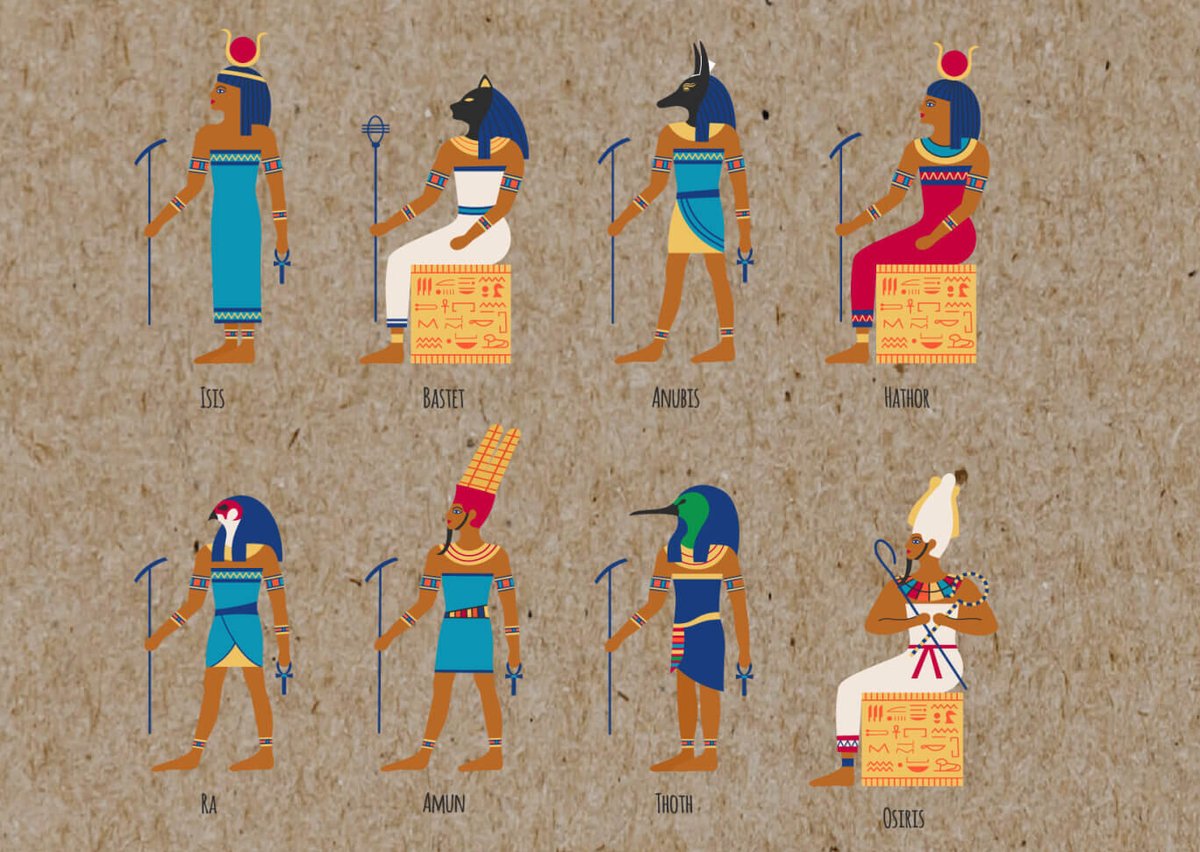
Across the Mediterranean, the civilization of ancient Egypt flourished under the watchful eyes of its own unique "dioses." With their distinctive animalistic forms, intricate rituals, and profound focus on the afterlife, Egyptian deities like Ra, Osiris, Isis, and Anubis governed the cosmos, the Nile, and the eternal journey of the soul. Their mythology provided comfort and order in a world defined by the cyclical rhythm of the sun and the river. To truly grasp the mystical and complex world of these desert gods, discover more in our guide on Dioses Egipcios.
Norse Sagas and Epic Tales: Deities of the North
Far to the north, among the icy fjords and dense forests, a different kind of divine drama unfolded. The Norse "dioses" like Odin, Thor, Freya, and Loki are famous for their epic adventures, fierce battles, and a unique worldview that embraced both glory and a looming sense of cosmic destiny, Ragnarök. Their tales are filled with powerful magic, legendary weapons, and a pantheon of gods who were both incredibly strong and deeply flawed. For an immersive dive into the world of Viking lore and the unforgettable characters that populate Asgard and beyond, delve into Dioses Nórdicos.
Sacred Traditions Beyond the Mediterranean
The concept of multiple gods is by no means limited to the European and North African continents. Across vast oceans and diverse landscapes, other civilizations developed their own rich and complex pantheons, each reflecting their unique environment, societal values, and spiritual insights. These traditions offer a fascinating counterpoint to the more commonly known Western mythologies.
Cosmic Creators and Cultural Guardians: Mesoamerican Deities
In the heart of ancient America, civilizations like the Maya and Aztec worshipped a pantheon of powerful "dioses" deeply connected to natural cycles, agricultural fertility, and cosmic order. Deities such as Quetzalcoatl, Huitzilopochtli, and Tlaloc governed everything from creation and warfare to rain and maize, often demanding elaborate rituals and sacrifices. Their mythologies provide a profound understanding of the cyclical nature of time and the delicate balance between humanity and the divine. To explore the vibrant and sometimes formidable world of these ancient American gods, turn your attention to Dioses Mesoamericanos.
The Multifaceted Divine: Discovering Hindu Deities
Hinduism, one of the world's oldest religions, offers an incredibly diverse and expansive understanding of "dioses." While often seen as polytheistic, many Hindus view their numerous deities—such as Brahma, Vishnu, Shiva, Lakshmi, and Saraswati—as different manifestations of a single ultimate reality or Brahman. Each god and goddess represents a unique aspect of the divine, forming a rich tapestry of spiritual meaning and philosophical depth. To truly appreciate the vast and intricate pantheon of Hindu gods and their profound philosophical underpinnings, we encourage you to explore Dioses Hindúes.
Why "Dioses" Still Captivates Us
The stories of "dioses" continue to resonate because they are, at their heart, stories about us. They reflect human fears, aspirations, moral dilemmas, and the eternal search for meaning. These ancient narratives provide frameworks for understanding good and evil, life and death, and our relationship with the natural world. They are the cultural bedrock upon which countless traditions, artistic expressions, and philosophical thoughts have been built.
By exploring these diverse pantheons, we gain not only historical knowledge but also a deeper appreciation for the myriad ways humanity has grappled with the mysteries of existence. The enduring power of "dioses" lies in their ability to connect us to our past, inform our present, and inspire future generations to continue asking the big questions. We invite you to continue your journey through these fascinating worlds, each offering unique perspectives on what it means to be human in a universe full of wonder.